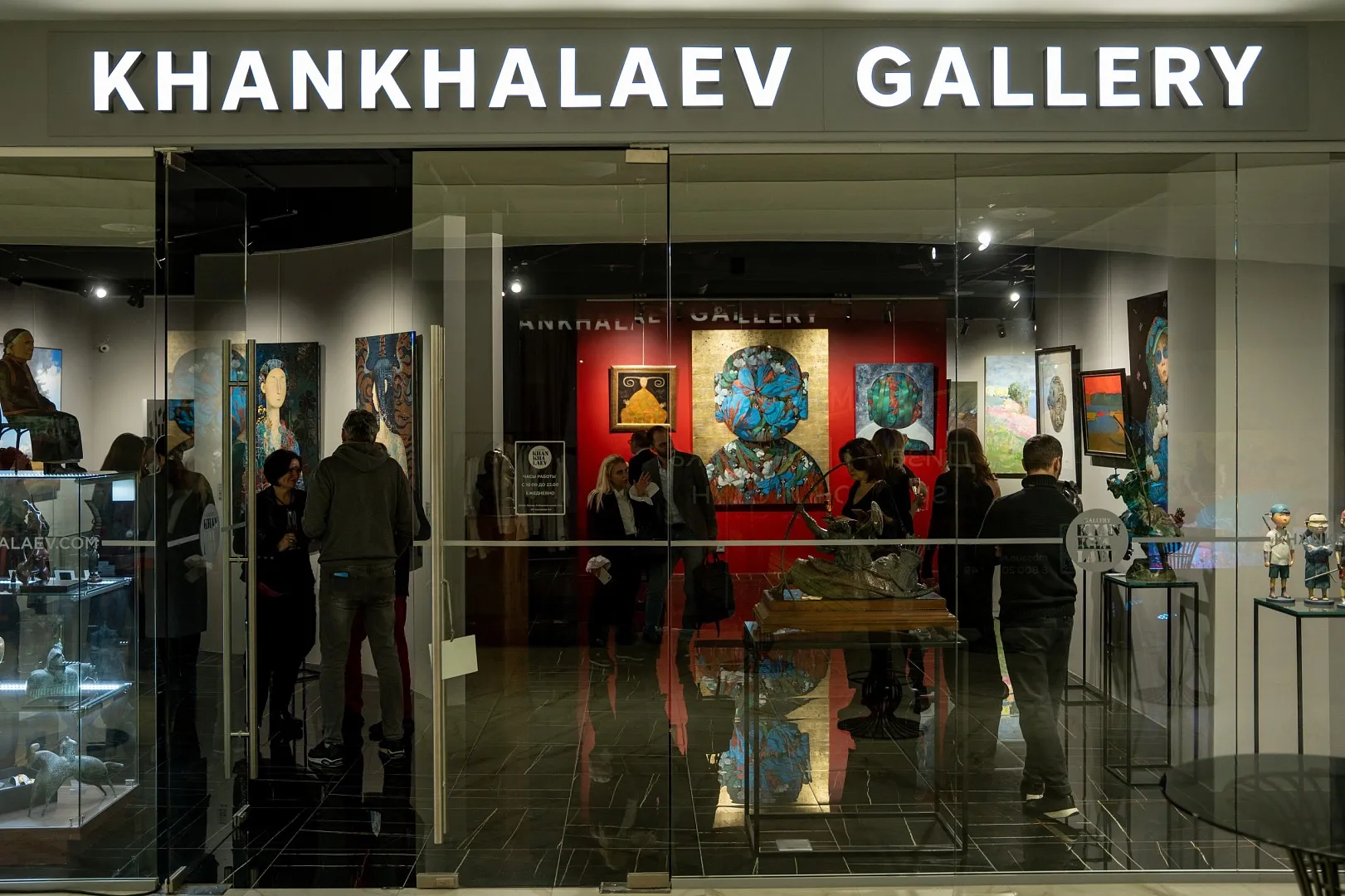
Khankhalaev Gallery — First real-world data

Before I ever thought about data analysis or machine learning, I was already working with structured data, just in a very different setting.
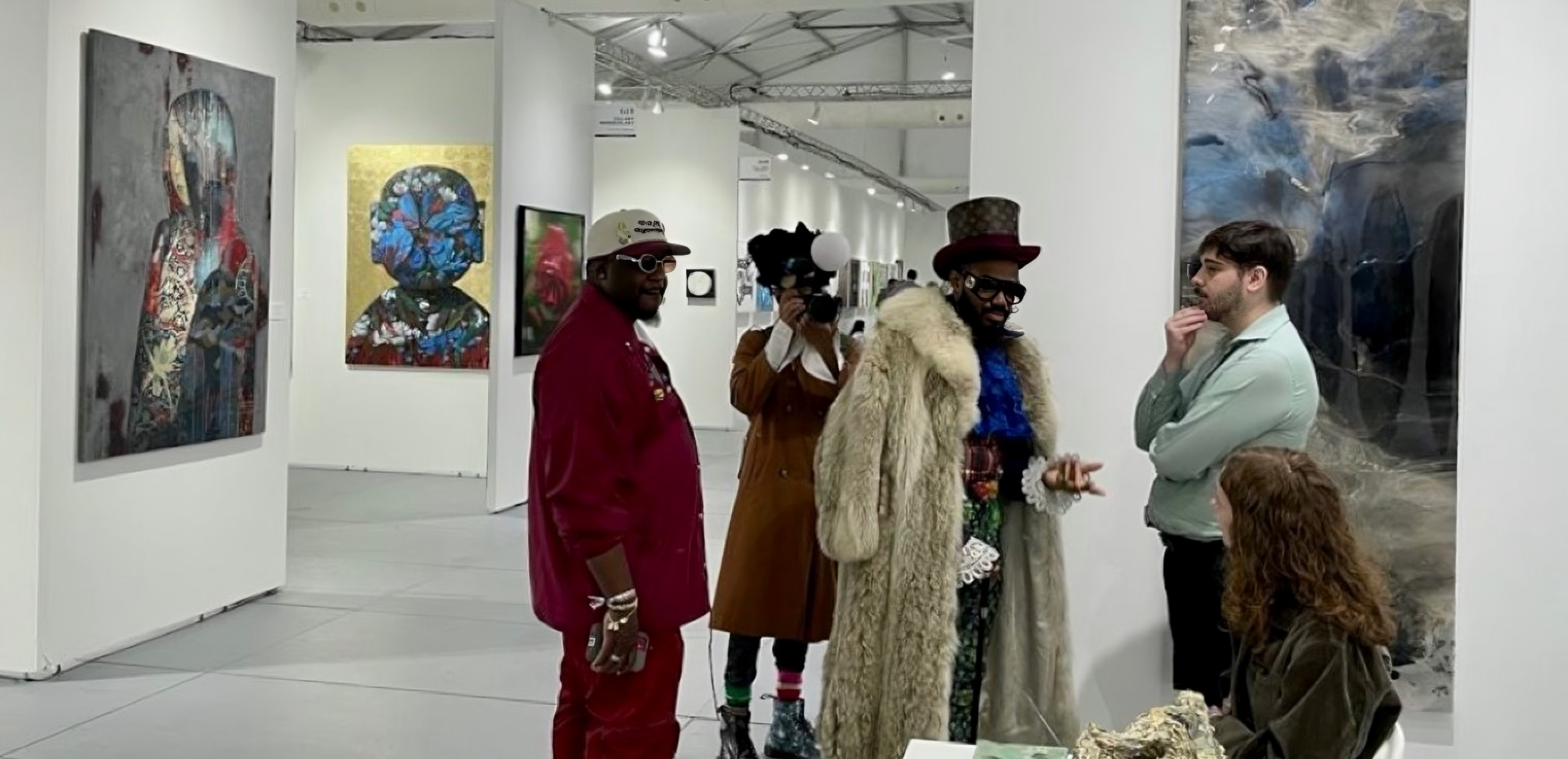
One of my earliest professional experiences was working with a family-owned contemporary art gallery operating internationally. The gallery regularly participated in major international art exhibitions such as Art Miami, Art Taipei, the Venice Biennale, and others, which required careful planning across pricing, exhibition budgets, inventory, and logistics. My role involved working with this operational information to support international shows and sales. At the time, I didn't think of this work as "data analysis," but it required making decisions based on structured information rather than intuition alone.
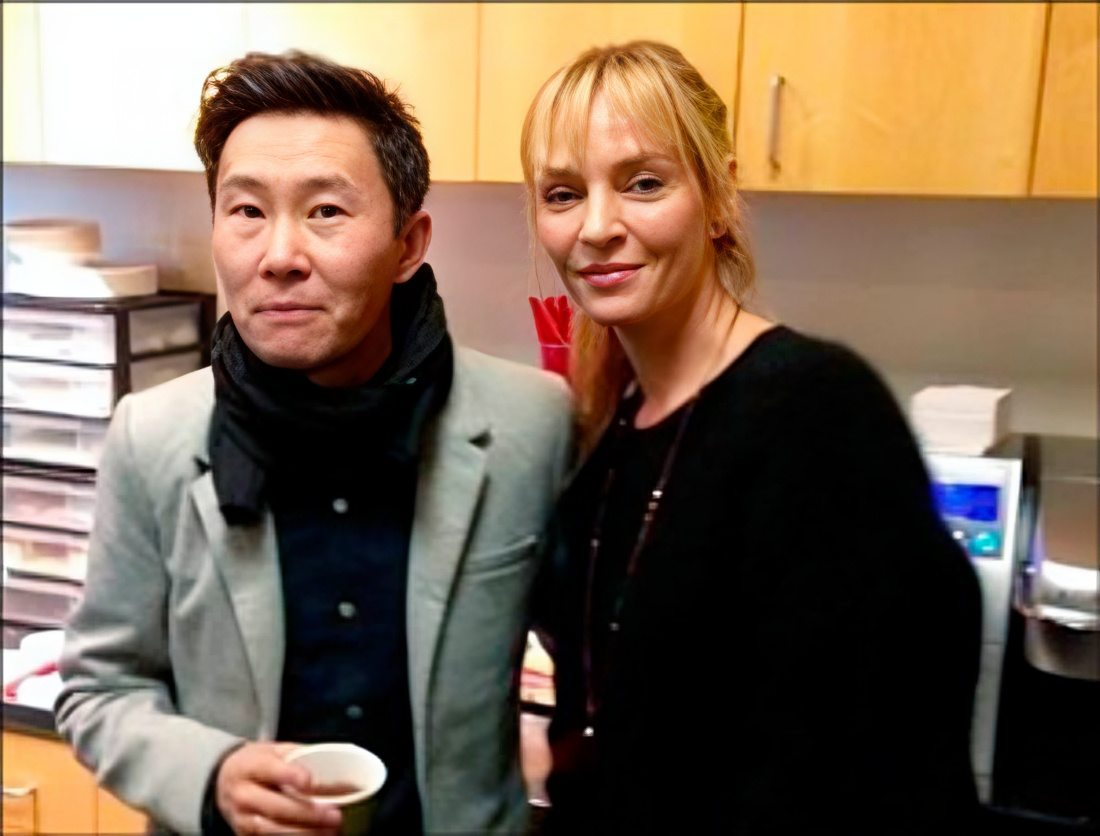
Working in an environment with global collectors and institutions (including high-profile buyers such as Uma Thurman) exposed me early to complex coordination, financial constraints, and planning at an international scale. That experience quietly shaped how I later approached problem-solving, analytics, and eventually computer science.
In hindsight, it was an early lesson that data shows up everywhere, often in places you wouldn't expect.
Key takeaway: This experience shaped my interest in data-driven decision making and later influenced how I approach data analysis, machine learning, and software design in technical settings.